전체 공개 ・ 07.21
2026.07.20 (Mon)
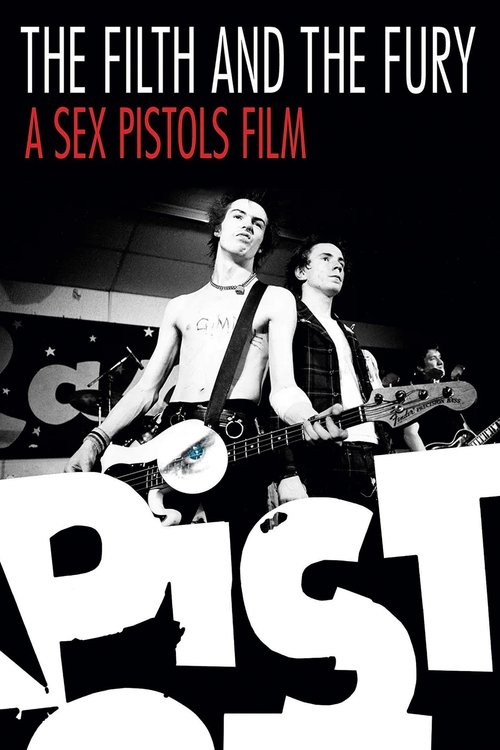
I bought a used copy of this from a random seller on Amazon in the early 2000s because I was trying to learn everything I could about punk music in the 1970s. I was fascinated by the DIY nature of things and seeing people embrace being different and poor and making that work for them. I later found out it's almost an apology or an amendment to the takeaways of the director's other film about The Sex Pistols and that made this make the context of The Filth and the Fury even more interesting. Malcolm McLaren did everything possible to manipulate and use these young men in for his own little project. He didn't care what happened to them as long as they were getting attention and in that respect, he was successful but GOD is he awful. Thinking about the short time the band existed and the impact they had at the time and continue to have in certain respects is so fascinating and was what I latched onto the first few times I watched it. This time around, though, I was thinking about a larger picture. It's hard to take anything political Johnny Rotten says with any seriousness after he started doing the typical broke celeb thing and tried his hand at glazing Trump (I am very sympathetic to the situation with his wife's illness and that medical treatment is expensive). Watching him talk in this documentary about growing up poor and ostracized and about the working class as a whole not being listened to really resonated with me but I had a hard time reconciling that with the last headlines I saw about him. (There's a clip early on of another older white man who was spouting racism and it seemed that the documentary was offering, as explanation, that when people are so beat down they tend to try and keep hold of any [social] power they do have. This is true and I think is important to understand a chunk of the people represented in this documentary). This pushed me to think about other people who were participating in this movement. There are people who don't have great music talent who just wanted to make music so they ended up here. There are people who will do anything to get a shocked reaction out of people (There was a huge use of Nazi imagery and I'm sure some people were serious but I'm also sure some people were doing it to be shocking). There were people who truly believed in systemic reform and working towards it through impacting the culture. I won't pretend to know who is who in within the key players in this documentary. I will personally speculate with my friends. Overall, this documentary has some interesting editing choices and really captures the rise and fall of The Sex Pistols and does not shy away from Malcom's role in all of it and I really appreciate that. It also, in some ways unintentionally, opens up room for thoughts about everyone's motivations, how that looks for these folks now, and what modern equivalents of these archetypes are today.
 dearbookshelves