전체 공개 ・ 07.26 ・ 스포일러 포함
2026.07.25 (Sat)
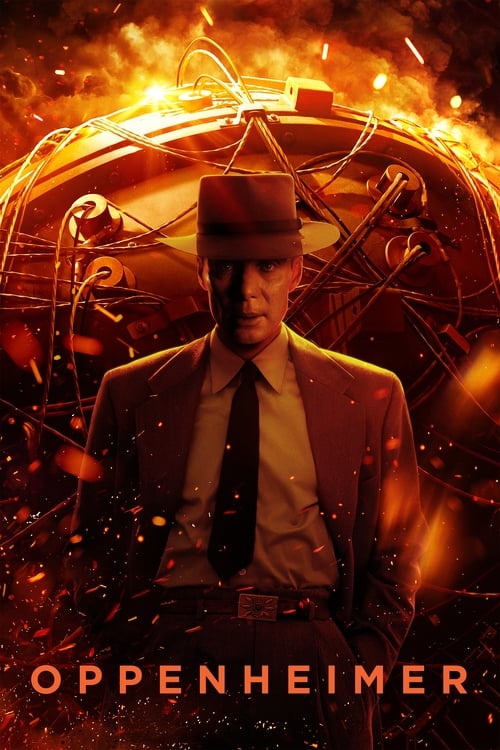
It was a brilliant movie, though I understand why it might not appeal to everyone. To cite a few reasons: the raw plot is deeply historical, sprinkled with jargon here and there, functions as an autobiography on some level, and features a main character most of us cannot relate to or root for. I haven't done any research yet, so I cannot confirm if the most important details in the movie are historically accurate. As far as I know, the director himself stated that this was neither a strictly historical nor an autobiographical movie, meaning some information were tweaked or added for creative purposes. Because of that, I can only really focus on the main character's personality. Dr. Oppenheimer never claimed to be, nor did he act like, a morally good person—not to his family, in his professional relationships, or even to himself. The film practically shows us his journey of inventing a literal bomb that could wipe us all out. Him, as well as the people who supported him and his creation, I'd say they were all evil. Despite their high intelligence, they were fools. Someone even mentions in the movie that Dr. Oppenheimer is a person who has seen so much, which begs the question: why was he so blind? I have a lot more to say, but this is getting longer than I planned. On a side note, since I wasn't familiar with Dr. Oppenheimer before this (none of the history books I’ve read even mentioned his name), seeing other scientists I actually recognize felt like a series of cameos. It reminded me of K-dramas that bring in popular actors for quick guest appearances. Nonetheless, personally, it was a good movie. I also just want to add: despite Dr. Oppenheimer not seeing how the bombs fell on the cities firsthand, the tragedy was imagined and replayed over and over again in his mind, which I believe shows that he had experienced getting killed by his own creation time and again. Even while he was going through that mental torment, he was still being warmly received and cheered by his peers, the higher-ups, and whatnot—knowing why because it was already preempted by Albert Einstein, created even more internal conflict, as he had to pretend he naively thought those gestures were genuinely for him and that he should be grateful. From the very first hints of Dr. Oppenheimer's moral compass gouging into the depths of his guilt, he was forced to experience the same outcome in his professional life—exactly what Albert Einstein had experienced, and what he prophesied Dr. Oppenheimer's life would become. Except his burden was even heavier than Albert's, since he is practically the "destroyer of worlds."
 grc.v9