sanathakur's
점수 분석
0
0.7≤
0
~1.2
0
~1.7
0
~2.2
0
~2.7
0
~3.2
0
~3.7
1
~4.2
0
~4.7
2
≤4.8
4.8~5
3.8~4.2

Dhurandhar
영화 / TV
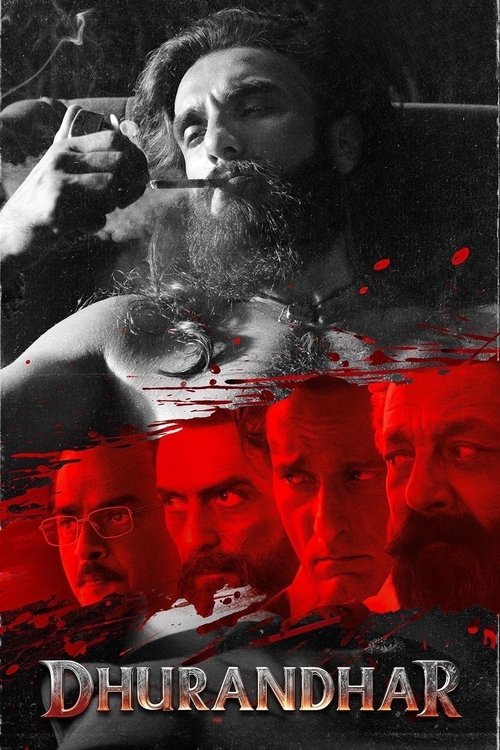
Dhurandhar knows exactly what genre it belongs to and refuses to apologise for it. The concept is sharp, the undertone consistently unsettling, and the performances across the board are strong enough to carry the narrative’s weight. The female lead’s youth adds an uncomfortable layer, making the stakes feel sharper rather than sentimental. Also, let’s acknowledge the obvious: men with longer hair look 'fine'. It works visually, thematically, and quietly feeds into the menace the film thrives on.Also, the way movie played was so nice that for a moment I felt betrayed on behalf of Rehman Dakait, Akshay Khanna, and his acting as well as the narrative staged, played was so nicely done but the way my heart skipped a beat for a moment, then i remembered it was necessary for the "PLOT". The film surely knows when to pull you in and when to snap you back. As for the violence, this is a spy film. It’s functional, necessary, and baked into the underlying idea. Expecting restraint here would be like ordering fire and complaining about the heat. Violence isn’t a flaw in this movie but, it’s kinda like the job description. Dhurandhar delivers exactly what it promises: tension, control, and an unease that lingers well past the credit rolls. The anticipation for the next part is real, not only because the film now owes us a convincing justification of the age gap, but other factors as well, like the backstory of the lead role,there’s clearly more to uncover. For now, the excitement and anticipation is there.
3
0
16
0
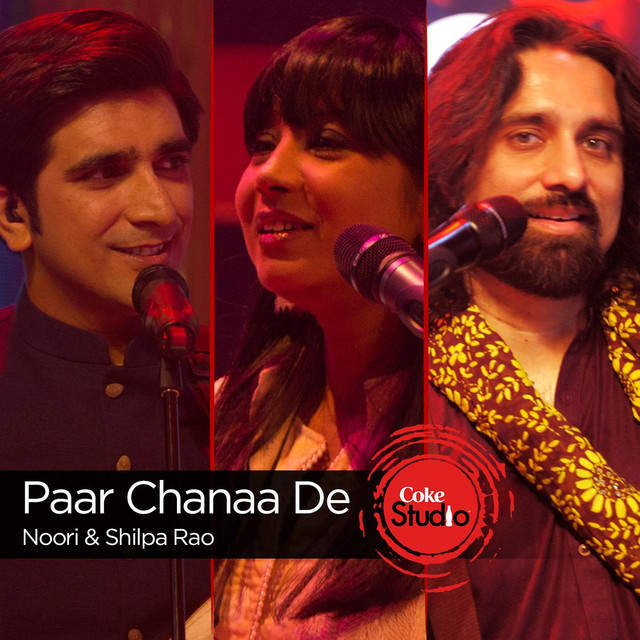
The entire song is hauntingly beautiful, but these lines stick with you once you realise how much of it is tied to the clay pot as a metaphor. The metaphor, the story behind the song, and then these lines that feel like they’re spoken from the clay pot’s side of the tragedy, and the very next part contains “yaar nu milegi aaj laash yaar di”. Oh my god, the way my heart broke at that. And the clay pot metaphor starts feeling uncomfortably human too,both human life and the clay pot have this mere existence but an enlarged vision of the self, like we keep believing we’ll make it across or we are bigger then we really are,i.e,dust within the vast expanse of cosmos.The clay pot is the reality check in the middle of that; it understands the reality of it all: “Kacchi meri miṭṭi kaccha mera naam ni Haan, main na-kaam ni. Kacchiyaan da hunda kaccha anjaam ni "Eh gal ′aam ni," like even the claypot carrying the hope knows how it ends. That whole almost-conversation between Sohni and the clay pot makes the doomed reality unbearable and something that sticks with you for a period long after the song ends. What is going to happen is known, to her and to the thing carrying her across, and still they both went with it, with their version of reality, the doomed knowledge the claypot held and the silent hope Sohni carried within herself.
4
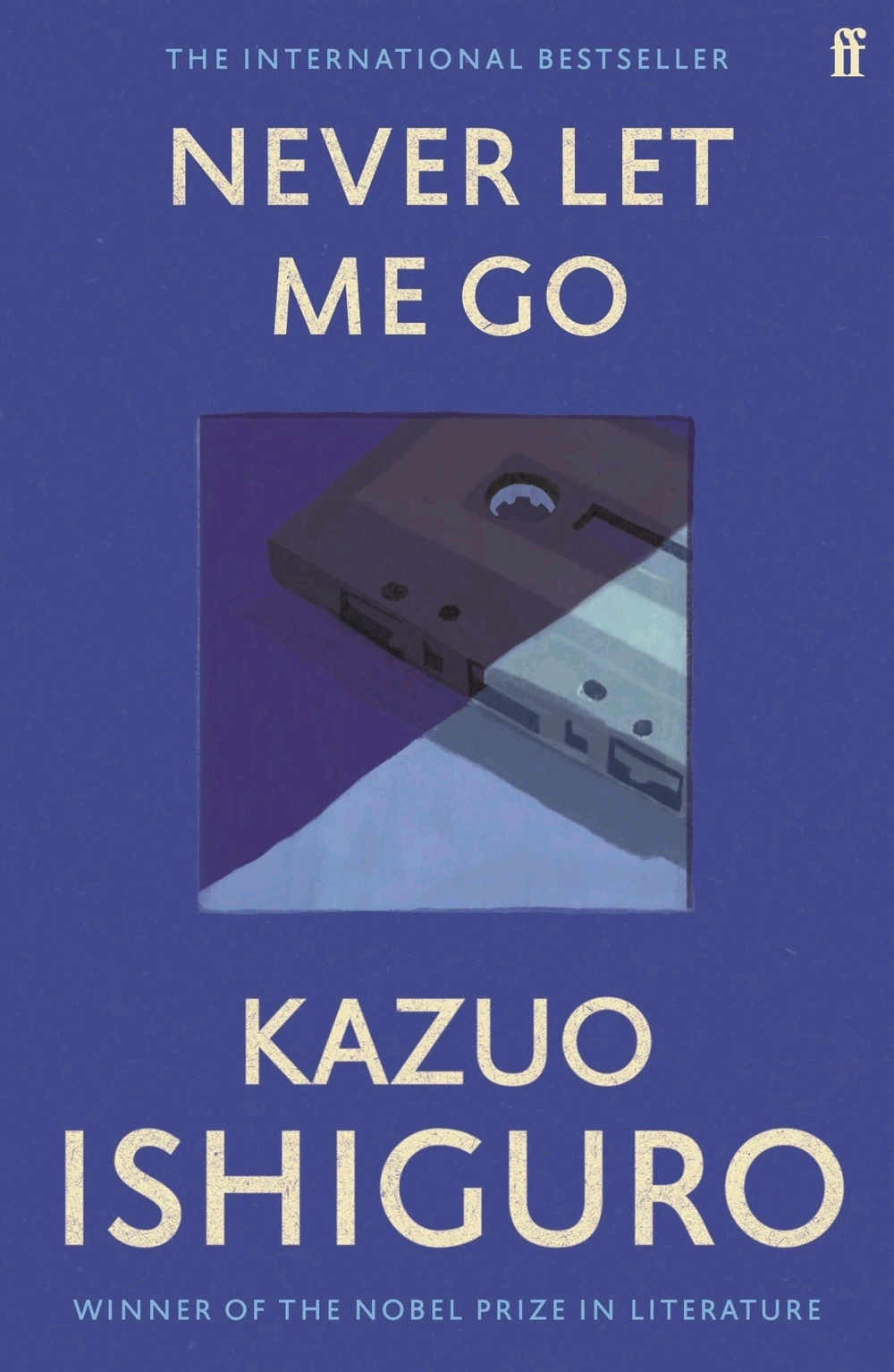
A novel that hurts quietly. Nothing explodes, no one makes grand speeches, and yet every page feels like time slipping through your fingers. The voice telling the story is calm, almost too calm, and that calmness is what makes the book unsettling. Life moves forward in ordinary ways: friendships form, small jealousies sting, love appears hesitantly. But beneath it all runs a constant sense that time is limited, even when no one openly says so. What Ishiguro captures painfully well is how people learn to live within boundaries they never chose. There is no dramatic rebellion here, only adjustment. The characters do not lack feeling; they simply learn, early on, not to want too much. Love exists, but it does not rescue. Memory exists, but it cannot rewrite fate. The sadness comes not from cruelty, but from acceptance. The realization that a system can be deeply unjust and still feel normal to those raised inside it. yet, woven into this restraint is something unexpectedly tender. The idea of "Norfolk", the place where all lost things are supposed to go, an idea that the lost things are still there untouched waiting for you to reclaim it,lingers like a fragile comfort. It feels less like a real location and more like hope disguised as geography. Maybe it is just a story they tell themselves to survive. Maybe, somewhere in that imagined corner, all the moments Kathy and Tommy never got to live still exist: untouched,waiting for them to unravel it. The novel ends without promises, but with the quiet possibility that even lives shaped by loss leave something meaningful behind. And somehow, that small hope makes the sadness hurt a bit more.
5