mishka's
점수 분석
4.8~5
4.3~4.7
0
0.7≤
0
~1.2
1
~1.7
2
~2.2
1
~2.7
8
~3.2
4
~3.7
20
~4.2
8
~4.7
17
≤4.8





0
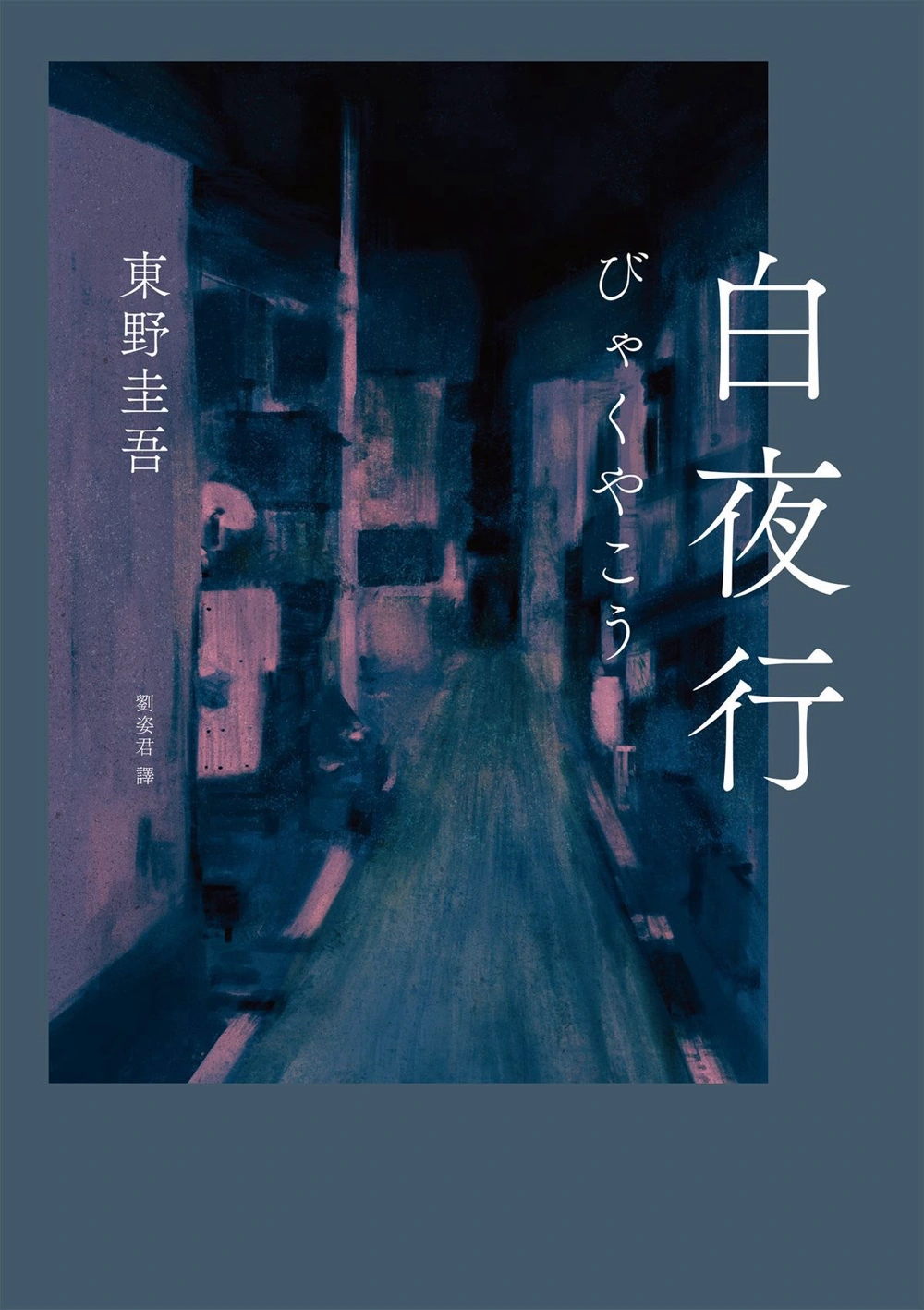
🔖 內容: - 故事由一個荒廢大樓中發生嘅命案開始,橫跨20年 - 描寫眾多看似冇咩關聯嘅人物,陸陸續續發生各種不幸事件 - 透過多個支線同角色視覺,慢慢解開真相 📌 主題 : - 社會底層與窮困人士嘅悲劇 - 日本社會過分在意他人目光、集體壓抑嘅文化 ——————含劇透—————— 👍 鍾意嘅位 ✨ 壓抑嘅黑夜氛圍 - 特別係描寫桐原亮司黑夜中靠著智慧游走生存嘅部分 ✨ 兩位角色之間嘅極致靈魂羈絆 - 為角色感到唏噓之餘,產生咗種好奇怪嘅羨慕 - 喺大眾嘅目光下,兩人似乎毫不相識,但其實暗地裏,佢哋係彼此生命中最沉重嘅支柱 - 留白:書中完全冇兩位角色之間嘅對話,而且除咗童年曾經一齊去過圖書館同埋大結局嗰一幕之外,幾乎冇喺故事同一幕出現過 - 超越世俗嘅一切感情關係、唔需要言語嘅極致信任同依賴 ✨ 劇情緊湊 - 本書雖然分開咗上下兩冊,但冇冷場 - 小伏筆回收得快且解說完整,讀起嚟會好有滿足感 👎🏻 唔鍾意嘅位 ✨ 資訊重複 - 作者可能驚死啲讀者會睇漏一啲重要資訊,所以好多時候會重複描述線索,削弱推理樂趣 ✨ 日劇/日版韓版電影翻拍過分世俗化 - 為咗迎合觀眾/因為時間限制問題,而完全拍唔出嗰種極致純粹嘅羈絆,將成個故事拍得好世俗
0
2
0
0
👥 Suitable for those into: - gothic mystery + tragedies + deaths - atmospheric heavy stories - layered characters - philosophical threads about religion and belief 🔖 Premise Set in pre-WWII Barcelona, this is a prequel to “The Shadow of the Wind”. We follow Daniel Martin, a struggling young writer trying to earn recognition while facing a brain tumor. Then comes Andrea Corelli—a mysterious man who offers David to write a book, a book meant to create a religion in exchange for a fortune and a promise of healing. After David accepts, the world around him grows even more unexplainable, that would keep you thinking ‘WHAT?????”. —spoilers below— 📌 Themes - Success requires talent, but even more importantly, hard work and routine - Art can be a more convincing tool than reason - Belief is born from circumstances - We create our own villains to stay morally comfortable: we project onto them what we can’t admit about ourselves, then claim victimhood and superiority - Life requires big and small lies: because if we saw the naked reality of the world, and of ourselves, we would either take our own lives or lose our minds 👍🏻 Liked ✨ Beautiful Language & Cinematic Imagery - As mentioned in review for “The Shadow of the Wind”. ✨ Layered, Vivid Characters - As mentioned in review for “The Shadow of the Wind”. - The relationships each felt distinct and real as David becomes a different version of himself depending on who he is with. ✨ Great Balance between Dry, Sarcastic Humor and Gothic Tragedy - Especially the dynamic between David with his bitter wit and Isabelle (his assistant) who is quick, willful and sarcastic - Added funny / warm moments without breaking the darkness ✨ Philosophical Discussion of Religion - explores belief as something powerful, fragile, dangerous and manufacturable ✨ Open for Interpretation - I usually dislike open interpretation because they can feel like the author is lazy, but here it felt carefully crafted and both plausible - Offers two clear paths: supernatural or psychological 👎🏻 Felt Bad About ✨ Confusing at Times - filled with question marks, made me feel stupid - but the writing does hint and build towards meaning, and the confusing feeling was intended by the author ✏️ Quotes: “Envy is the religion of the mediocre. It comforts them, it responds to the worries that gnaw at them and finally it rots their souls, allowing them to justify their meanness and their greed until they believe these to be virtues.” “I hoped my absence made them happy or at least made them forget that they weren’t happy and never would be.”
0
6
0
The ending was perfect. God-tier TV show indeed.
0
0
👥 Suitable for those into: - gothic mystery + tragedies + deaths - fog / rain / autumn moods - rich atmosphere, cinematic descriptions - layered characters - themes of loss, memory 🔖 Premise In post-WWII Barcelona, Daniel, a young boy who discovers a “destined” novel in the Cemetery of Forgotten Books, becomes entangled in the tragic history of its mysterious author. A faceless figure—Lain Coubert, the devil from the novel—stalks him, determined to erase all traces of the author's existence.The deeper Daniel digs, the more he finds mirrored pieces of his own life in the author’s past—love, abandonment, grief, and the shadows trauma leaves behind. (spoilers ahead) ———————————————————— 👍🏻 Liked ✨ Beautiful Language & Cinematic Imagery This book unlocked a new appreciation for beautiful writing in me—poetic without losing clarity. The prose is lush, atmospheric and cinematic, conjuring entire scenes with just a few lines. This might be because of the author’s interest in screenwriting. ✨ Moody Atmosphere Fog-drenched alleys, rain-polished streets, candlelit mansions, and the mythic Cemetery of Forgotten Books created a gothic world that felt both haunted and holy. ✨ Dark, Heavy and Human Themes - mysteries - tragic deaths - war trauma - abandonment - memory - toxic relationships ✨ Layered Characters Even the most lovable characters have cracks. Some characters’ backstories shift your perspective, some undergo transformations that are unexpected. ✨ Relatable Moments - Losing mother at a young age Daniel mentions that he was starting to lose his memory about his dead mother, that he couldn’t remember what her face was like, her voice or her smell. Even though he had pictures of her, he was afraid of looking at photographs of his mother. He was afraid of discovering that she was a stranger. - Witnessing your loved ones grow old “I looked at the man whom I had once imagined almost invincible; he now seemed fragile, defeated without knowing it.” - Toxic relationships such as being loved so much but not being able to love back, settling for relationships built on loneliness, longing and self-deception. 👎🏻 Disliked Only one thing: that the story ended. And now I’m afraid that nothing else I will ever read will compare. Quotes: The Cemetery of Forgotten Books “Every book… has a soul… the soul of the person who wrote it and of those who read it and lived and dreamed with it. Every time a book changes hand, every time someone runs his eyes down its pages, its spirit grows and strengthens.” Friendship “Despite everything that happened afterwards, and the fact that we grew apart as time went by, we were good friends. I always thought we were going to be inseparable, but life must know things that we don’t know. I’ve never had friends like those again, and I don’t imagine I ever will.” Destiny “Destiny is usually just around the corner. Like a thief, a hooker, or a lottery vendor: it’s three most common personification. But what destiny does not do is home visits. You have to go for it yourself.” Loss “It’s funny how we judge others and don’t realize the extent of our own distain until the ones we love are no longer there, until they are taken from us. They’re taken from us because they never really belonged to us…” “He had put off falling in love with his wife until he had already lost her. You only love truly once in a lifetime, even if you aren’t always aware of it.” Desire “Sophie felt for him the sort of contempt that is awakened in us by the things we subconsciously most desire.” Hope “Time has taught me not to lose hope, yet not to trust too much in hope either.” Reading “A book is a mirror that offers us only what we already carry inside us, that when we read, we do it with our heart and mind.” Toxic Relationships - “One day, as we strolled through the cathedral cloister, Miquel once again hinted at his interest in me. I looked at him and saw a lonely man, devoid of hope. I knew what I was doing when I took him home and let myself be seduced by him. I knew I was deceiving him and that he knew, too, but had nothing else in the world. That is how we became lovers, out of desperation. I saw in his eyes what I would’ve wanted to see in Julian‘s. I felt that by giving myself to him I was taking revenge on Julian and Penelope and on everything that had been denied to me. Miquel, who was ill with desire and loneliness, knew that our love was a farce, but even so he couldn’t let me go.” - “Being all alone in Barcelona, Sophie found it difficult to resist his enthusiasm, his company and his devotion. She only had to look at him to know that she would never be able to love him. Not the way she dreamed she would love somebody one day. But she also found it hard to cast aside the image of herself that she saw reflected in his besotted eyes. Only in them did she see the Sophie she would have wished to be. And so, either through need or through weakness, Sophie continued to entertain his advances, in the belief that one day he would meet a girl who would return his affection and his life would take a more rewarding course. In the meantime, being desired and appreciated was enough to alleviate the loneliness and the longing she felt for everything she had left behind.” - “I silently blessed every minute that we spent together, and every night he would fall asleep embracing me, while I hid the tears caused by the anger I felt at having been incapable of loving that man the way he loved me, incapable of giving him what I had so pointlessly abandoned at Julian’s feet.”
0
🔖 Story Summary The story, narrated by “The Angel of Truth”, follows 3 Greek Jews and a Nazi German through the Nazi invasion of Greece and its aftermath. 👥 Best for readers seeking: - enjoys an easy-to-read writing style - WWII historical fiction from the perspective of Greek Jews 📌 Themes ✨ WWII - Focuses on the Nazi invasion of Greece, especially Salonika, which before the war was the only European city with a Jewish majority population - “War still takes hostages, long after it is over” ✨ Identity Struggle - Men from all over Greek volunteered to join the army, including many Jews - “Father: This is not your fight. Son: It’s my country. Father: Your country, not your people. Son: If I don’t fight for my country, what will happen to my people?” ✨ Truth vs Lies - Lies as illusion: - People believe that conforming will bring acceptance, but truth inevitably reveals rejection - A lie told once is fragile; a lie repeated a thousand times becomes destructive - People often prefer the “truth” they want to hear — but selective truth is like picky eating: it corrupts you - Packaging of Truth: The more attractively presented, the more easily it is accepted - Self-deception: People brainwash themselves to justify their choices - Lies as Safety: They may feel protective but lies are ticking bombs - Omission: Can be an act of love, but still a form of lying - Propaganda: Germans were not naturally inclined to hate Jews, they were persuaded that Jews were the cause of their unhappiness ✨ Other Moral Currents - True Kindness: doing something that can never be repaid - True Self Love: refusing self-deception; listening to the heart’s yearnings - Resilience: What doesn’t kill you makes you stronger - Urgency of Truth & Love: “By the time you share what a loved one longs to hear, they often no longer need it.” - Saving lives: “If you save one, it’s as if you saved the whole world.” 👍🏻 Like 1. Unique POV - The “Angel of Truth”, who was cast from heaven for objecting to God’s creation of Man, as narrator - Adds a layer of moral commentary 2. Compelling Characters & Plot - Shifts between 4 characters’ perspective 3. Truth Theme - Encourages critical thinking warns against blind belief or preference-driven ‘truths’ 👎🏻 Dislike 1. Surface-Level Characterization - Accessibility comes at the cost of psychological depth - Could have explored inner struggles of characters more richly
0
0
0
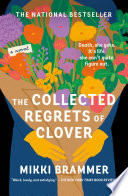
👥 Suitable for anyone who’s: - lost someone close - feeling lonely / questioning the meaning of life - into life-and-death conversations - enjoys heartwarming and satisfying stories 🔖 Premise The story follows Clover, a mid-30s death doula who grew up lonely after losing her parents and later her grandfather. Her world is mostly her grandfather’s old friend and the dying people she accompanies, until a death-gathering unexpectedly changes her life. 👍🏻 Liked ✨ Emotional Relatability & Comfort - Being fascinated by life/death topics while others find it weird. - That strange feeling of learning new things about loved one only after they’re gone. - How memories from childhood blur—half real, half imagined—from staring at the same old photo for years. - Shutting yourself off to avoid rejection. - Collecting wisdom but struggling to actually apply it: “Is anybody good at doing that though? Most of us don’t ever learn our real lessons in life until it’s too late right? I guess the important things is that you’re trying your best.” - The guilt of letting your loved one die alone: “Even though he died alone, he didn’t die lonely.” ✨ Themes 1. Death & Dying - People’s behaviour near the end: fear, bitterness, neediness, the messy reality of dying. - How to show up for them: don’t look away; presence heals more than words; love gets through even if they’re unconscious. 2. Grief - How it lingers forever; how society pressures you to “move on” - The scars from not getting to say goodbye 3. Regrets - Not expressing love out of shame / took it for granted / never learnt how - Hadn’t taken more risks - Existing out of habit - Reason for such regrets: People only think about death when it’s too late. 4. Living Fully - “While I thought that I was learning how to live, I have been learning how to die.” — Leonardo da Vinci - Ideal relationship: To be able to open up yourself and to be truly seen by someone else. 5. Death Avoidance - How society avoids talking about death. - How people rather play podcasts as background noise than to be alone with their own thoughts 6. Parent Relationships - “It’s so easy to see your parental figure through that lens alone, to think that their existence has always revolved around yours. But before they were parents, they were simply human beings trying to navigate life as best they could, dealing with their own disappointments, chasing after their own dreams. And yet, we often expect them to be infallible.” ✨ Sprinkles of Wisdom - Start new chapters in life with new scents. This way you will be able to look back relive your best memories from that time whenever you smelt it. - Live you life with infinite curiosity and a keen sense of observation - People love talking about themselves - Choose friendships wisely - Put yourself first - “It’s easy to glamorize the path you didn’t take.” - “Habits are hard to change.” ✨ Other things I liked - Details come back in meaningful ways - Witty, wise, lovable characters - Slight mention of open relationships and friends-with-benefits - Fun seeing the “other side” of the deceased through Clover’s discoveries ✏️ Quotes Grief - “The truth is, grief never really goes away. Someone told me once that it’s like a bag that you always carry — it starts out as a large suitcase, and as the years go by, it might reduce to the size of a purse, but you carry it forever. I know it probably sounds cliche, but it helped me realize that I didn’t need to ever get over it completely.” - “Grief was like dust. When you’re in the thick of a dust storm, you’re completely disoriented by the onslaught, struggling to see or breathe. But as the force recedes, and you slowly find your bearings and see a path forward, the dust begins to settle into the crevices. And it will never disappear completely — as the years pass, you’ll find it in unexpected places at unexpected moments. Grief is just love looking for a place to settle.” Taking Risks - “Don’t let the best part of life pass you by because you’re too scared of the unknown. Be cautiously reckless.” - “But the secret to a beautiful death is to live a beautiful life. Putting your heart out there. Letting it get broken. Taking chances. Making mistakes. Promise me kid, that you’ll let yourself live. ” - “It’s liberating to open yourself up and be truly seen by someone else. Not everyone gets to experience that in life. And I pray it happens to you too — but the lesson I hope you’ll learn, that I didn’t, is not to let go of the person who offers that to you just because you don’t want to take a risk.”
0
0
0
0
0
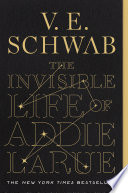
👥 Good for people who enjoy: - themes of love & desire, possession, freedom, loneliness, and meaning of life - slow to mid-paced story with atmospheric prose - character-driven stories 🔖 Premise In 17th century France, Addie LaRue makes a desperate pact with the God of Darkness to escape an arranged marriage. She gains complete freedom as wished, along with immortality, but at a cruel cost: everyone she meets would forget her the moment she leaves their sight. 👍🏻 Liked ✨The Premise & “Invisible” Life - imaginative details about how Addie survives and navigates centuries as someone who lives in a world that constantly resets around her ✨ Themes - universal human longings: to be loved, desired, remembered and truly seen - interestingly revealed through bargains with devil, freedom vs being forgotten / loved vs never being truly seen - lets you reflect on your own personal takes on the definition of love ✨ Lyrical Writing & Atmosphere - beautiful, atmospheric prose with magical realism - dreamy, melancholic vibes 👎🏻 Disliked ✨ Ending Dynamic with the God of Darkness - understand that the author wanted to explore love vs possession and showcase Addie’s wit, but the final interactions between Addie and the god felt too childish for an eternal being
0